What a regional tradition contains
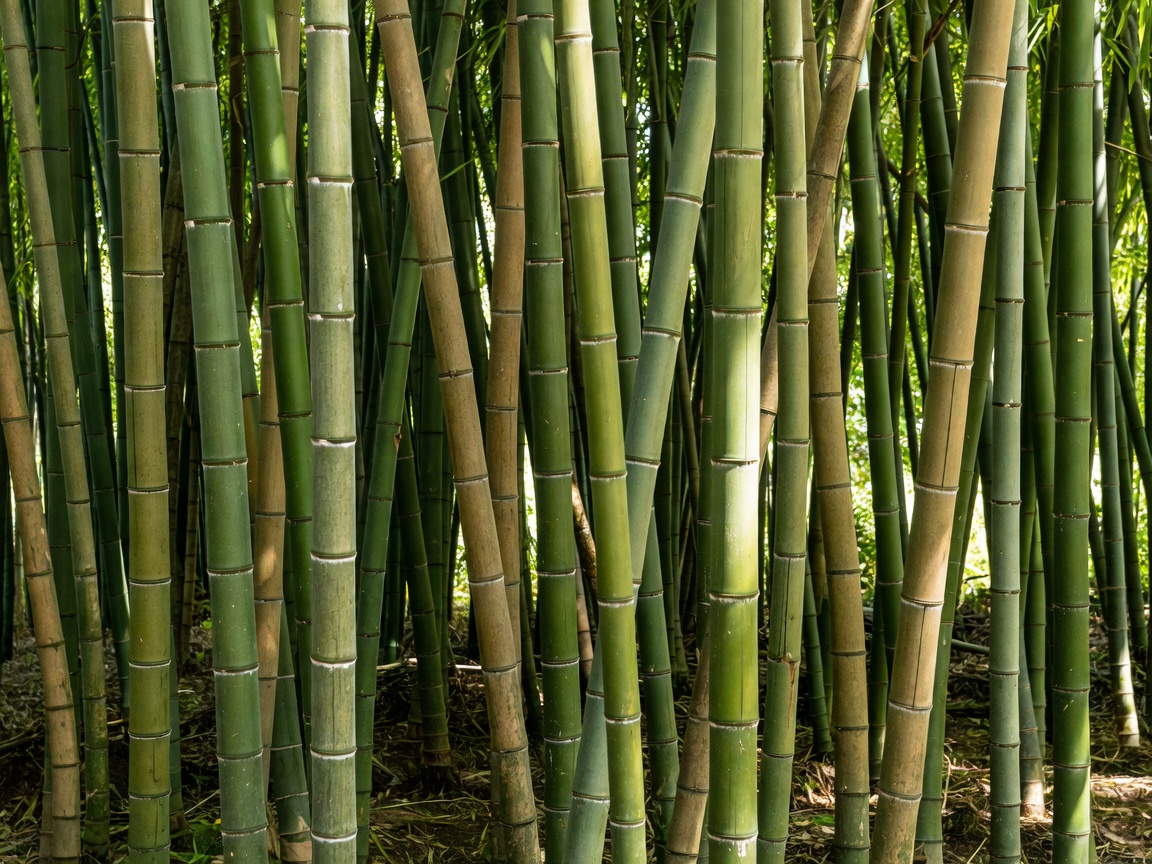
Regional craft descriptions often begin with bamboo growing nearby. That is useful, but incomplete. A sustained craft also depends on people who know how to prepare material, buyers who need particular objects, routes through which goods circulate and ways for skills to be passed on. The same local industry may include everyday utensils, finely worked display pieces and contemporary experiments. Reducing it to a single “traditional basket” hides much of that working life.
Place names can also refer to different things: a historical province, a present-day city, a recognized craft category or the location of an individual workshop. Read the label carefully. A retailer's location does not necessarily identify the place of manufacture, and a familiar weave is rarely enough to establish origin. Reliable attribution depends on records, maker information and a documented chain of ownership where relevant.
Four contexts worth distinguishing
- Beppu, Ōita Prefecture
- Beppu is an important center for bamboo basketry on Kyushu. Its hot-spring economy helped create demand for practical goods used by visitors and households. The region is associated with a broad repertoire of weaving, and its craft identity includes training and the continuing work of individual makers. The Beppu City Traditional Bamboo Crafts Center is a useful institution to investigate when planning further study. Check current information directly rather than assuming exhibitions or demonstrations are always available.
- Kyoto
- Kyoto's bamboo crafts sit within a wider culture of household objects, tea-related utensils, flower display and specialist trades. “Kyoto bamboo” should not be read as one fixed style. A whisk, a flower basket and a woven utensil may involve different skills, materials and histories. The city's association with refined objects does not make every Kyoto-made piece ceremonial, nor does a restrained appearance prove a Kyoto origin.
- Katsuyama, Maniwa, Okayama Prefecture
- Katsuyama bamboo work is particularly useful for thinking about the relationship between material character and practical form. Regional descriptions emphasize everyday baskets and the visible qualities of the bamboo itself. Avoid treating utility as the opposite of skill: carrying, storing and repeated handling create demanding design problems. A working basket can embody close attention without presenting itself as an exhibition piece.
- Suruga, Shizuoka Prefecture
- Suruga bamboo work is associated with finely prepared slender elements and open constructions, including objects in which the spaces between components are visually important. It offers a useful contrast with an image of basketry based only on broad flat strips. The comparison reminds us that “bamboo craft” covers several ways of processing and assembling the plant, not one universal weaving method.
Tea, flowers and the changing meaning of a basket
Japanese bamboo objects appear in everyday work as well as in settings shaped by tea and flower arrangement. These contexts overlap, but they are not interchangeable. A basket used for flowers may be appreciated for its line, asymmetry and relationship to a display space, while a practical container may be judged through repeated handling. An object can also move from one context to another over its lifetime, especially when collected or exhibited.
For that reason, avoid a simple story in which bamboo progresses from humble utility to “real art.” Functional skill is not a lesser stage waiting to be improved. At the same time, individual artists have expanded what bamboo can express through large forms, complex surfaces and sculptural approaches. Museum records can help separate a named artist's practice from broad statements about an entire region.
Names help when they lead to records
Collections may introduce figures such as Iizuka Rōkansai, Tanabe Chikuunsai or Shōno Shōunsai. These names belong to distinct artistic histories; they should not be used as generic labels for attractive bamboo work. Some artist names recur across generations, making the accompanying biography and dates especially important. Start with an institution's object record and check how it identifies the maker, materials and title.
The Japan Folk Crafts Museum in Tokyo offers another perspective through the study of mingei, often translated as folk crafts. Its emphasis can help readers attend to useful objects without assuming that an anonymous maker means an absence of expertise. As always, an institutional viewpoint is a lens for looking, not a complete account of all Japanese bamboo practice.
Plan a respectful encounter
Before visiting a museum, shop or craft center, check its own current opening information and photography rules. Workshops are workplaces, not automatically public attractions. A demonstration, if offered, shows a selected part of a process rather than an entire working life. Ask permission before photographing people, avoid interrupting tool work and do not interpret limited public access as a lack of authenticity.
A useful question is often modest: “Which part of this object was made locally?” or “Is the maker and material documented?” Those questions produce more reliable understanding than asking whether an object is simply “the most traditional.” They also leave room for the present: living crafts continue through decisions about income, teaching, material supply and changing use.
Research starting points
- Association for the Promotion of Traditional Craft Industries — search regional craft categories.
- Beppu City — official municipal information and local cultural resources.
- Japan Folk Crafts Museum — institutional context for folk craft study.
- Japan National Tourism Organization — travel context; verify venue details with the venue.